
How to Prevent Damp and Moisture Problems in Suspended Ceilings
-870x468.jpg "How to Prevent Damp and Moisture Problems in Suspended Ceilings")
How to Prevent Damp and Moisture Problems in Suspended Ceilings – Complete Guide for Homes & Commercial Buildings
Suspended ceilings can hide services, improve acoustics, and enhance fire safety — but they are not a standalone solution for damp or moisture problems. If moisture builds up inside the ceiling void, it can affect ceiling tiles, corrode the grid, and cause long-term structural issues. The most common issue is stains appearing on the tiles, which is commonly caused by condensation dripping from structures above.
This guide explains why suspended ceilings suffer from damp, condensation, and moisture damage, and how to prevent it properly using the right:
- Humidity-resistant ceiling tiles – browse RH-rated tiles
- Corrosion-resistant ceiling grid – anti-corrosion T-grid systems
- Insulation pads – regulate temperature in the ceiling void
- Correct ventilation based on room usage
When combined, these measures form a complete solution to stop tile sagging, damp spots, mould, corrosion and recurring ceiling failures.
1. Understanding Why Suspended Ceilings Get Damp
A suspended ceiling creates a hidden void between the tiles and the structural soffit above. This space can trap warm air, cold air, steam, or moisture depending on the environment.
If that void is not properly controlled, the following problems occur:
- Condensation forming on the soffit and dripping onto tiles
- Humidity causing tiles to warp or sag
- Corrosion forming on metal grid components
- Mould growth on the back of tiles or insulation
- Temperature differences causing moisture cycles day and night
A suspended ceiling does not remove moisture on its own — but selecting the correct system can stop the symptoms and protect the ceiling from damage.

Recommended for kitchens, bathrooms, pools & humid areas:
Humidity-Resistant Ceiling Tiles
+ Corrosion-Resistant Ceiling Grid
2. Use Humidity-Resistant Ceiling Tiles
Standard mineral fibre tiles absorb moisture, causing sagging, staining, and eventual failure. For humid or moisture-prone rooms, always choose humidity-resistant ceiling tiles rated up to RH95–RH100. These are most commonly made from Rockwool, rather than mineral fibre.
- Prevent tiles sagging in kitchens & bathrooms
- Maintain structural integrity in damp environments
- Ideal for commercial kitchens, laundry areas, changing rooms & gyms
- Work with all 24 mm and 15 mm ceiling grids
These tiles remain stable in high humidity and stop moisture from ruining the visible finish of your ceiling.
3. Choose a Corrosion-Resistant Ceiling Grid
Moisture damage often attacks the metal T-grid long before tiles show visible signs. A standard white grid can rust, stain tiles and eventually fail if the environment is too humid.
Replacing it with an anti-corrosion ceiling grid prevents:
- Rust spots bleeding through the tiles
- Grid joints weakening over time
- Discolouration from moisture cycles
- Long-term structural failure
Corrosion-resistant grids are recommended for kitchens, bathrooms, swimming pool areas, leisure centres, and any area with elevated humidity.
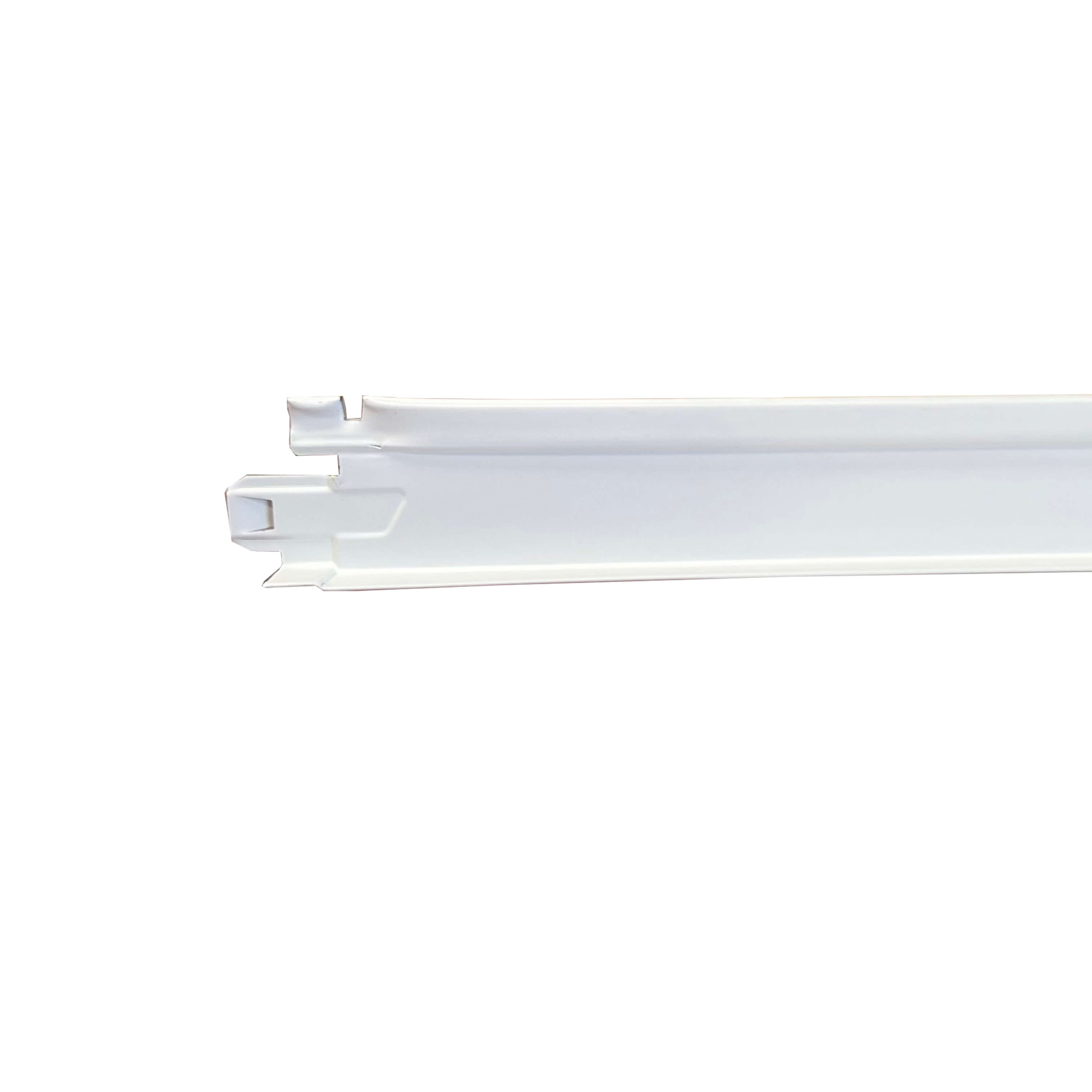
Best protection for humid environments:
Anti-Corrosion Ceiling Grid Systems
4. Regulate the Ceiling Void Temperature With Insulation Pads
Moisture forms when warm air meets a cold surface. By insulating above the ceiling, you reduce temperature differences that cause condensation.
Insulation pads help:
- Improve temperature stability in the ceiling void
- Reduce condensation cycles
- Lower energy bills
- Provide additional acoustic benefits
This is especially important in takeaways, restaurants, toilets, shower rooms, and external areas where rapid temperature changes are common.
5. Ensure Proper Ventilation Based on Room Usage
Ventilation is the most overlooked factor in moisture control. Even the best humidity-resistant tiles and corrosion grid will struggle if air cannot escape the room.
Ventilation requirements vary depending on the room:
- Kitchens: Strong extraction directly to outside
- Bathrooms/Showers: High-flow fan ventilation
- Gyms & changing rooms: Continuous mechanical ventilation
- Offices & retail: Balanced air supply & extraction
Good ventilation stops moist air rising into the ceiling void and ensures long-term ceiling protection.
Need Help Choosing the Right Ceiling System for Damp or Humidity?
Call 01253 864 902 or contact us online for expert advice on humidity-rated tiles, grids and insulation solutions.
Explore our best solutions for damp and moisture control:
Humidity-Resistant Ceiling Tiles |
Corrosion-Resistant Grid |
Insulation Pads